TRACES OF A GOLD RUSH THAT SHAPED THE REGION
Fisherville, now known as the Wildhorse Creek Historic Site, sits along the Wildhorse River northeast of Cranbrook. What remains is not a town in the usual sense, but the quiet evidence of one that rose fast and disappeared just as quickly.
In 1864, gold discoveries along Wildhorse Creek drew thousands of people to the area, turning Fisherville into the first non-Indigenous settlement in the East Kootenay. Within a year, it grew into a substantial mining town before declining as easily accessible gold ran out.
THE HISTORIC SITE
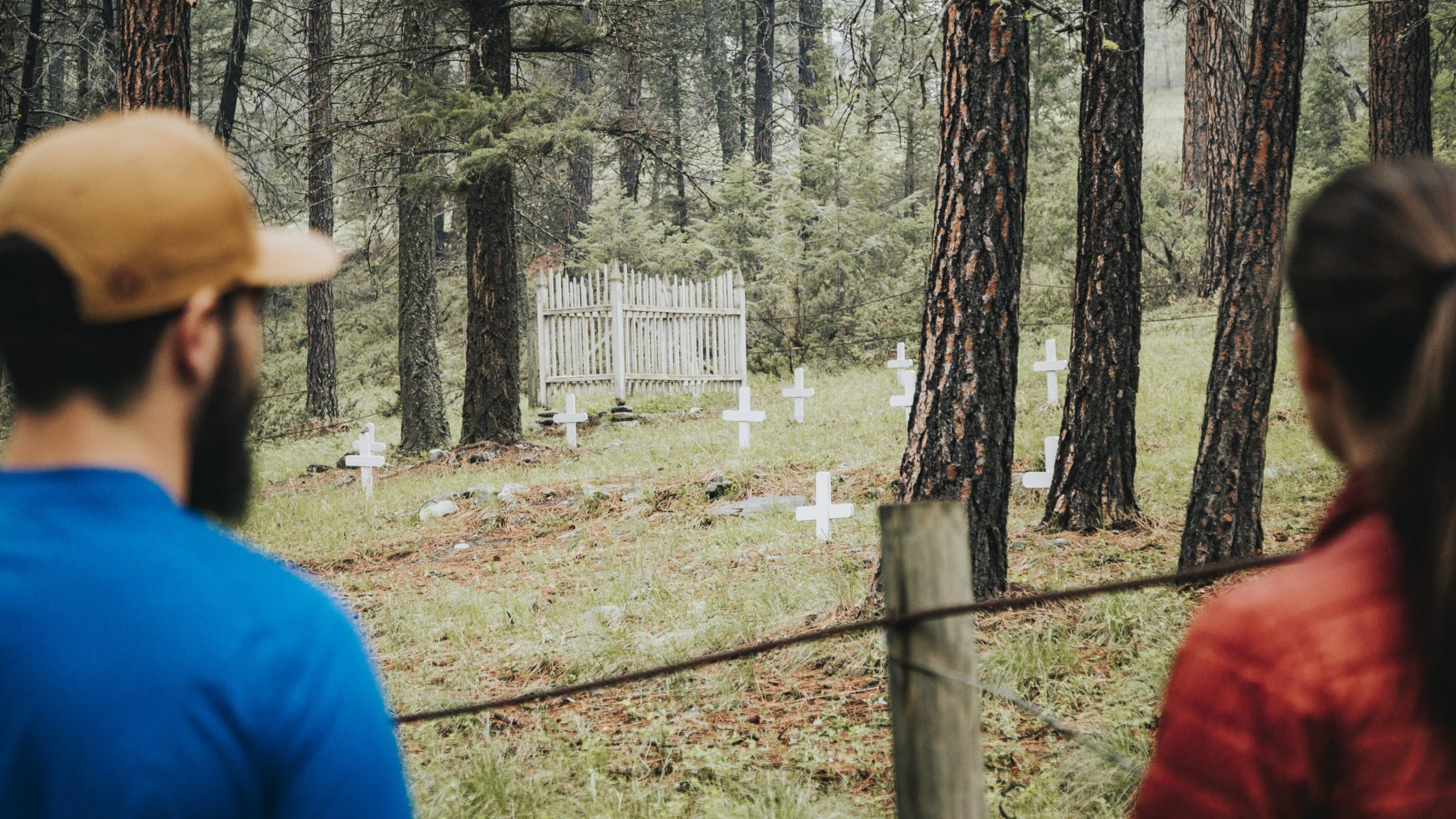
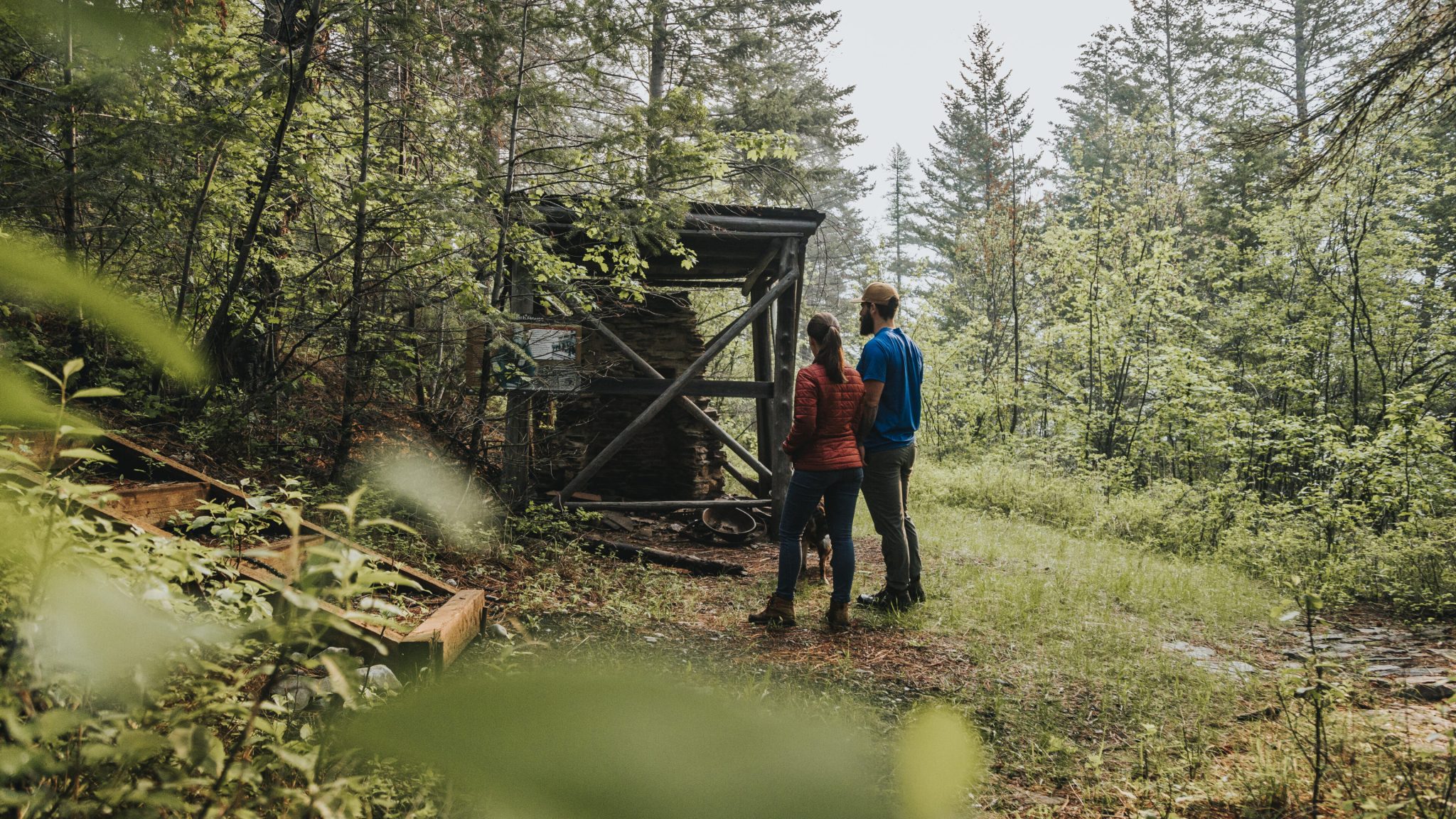
The site includes the remains of the original town, with traces of buildings, a cemetery, a Chinese burial ground, and an old apple orchard still visible in the landscape. Scars from early mining activity shape the terrain, reflecting shifts in technology from hand tools to early hydraulic methods.
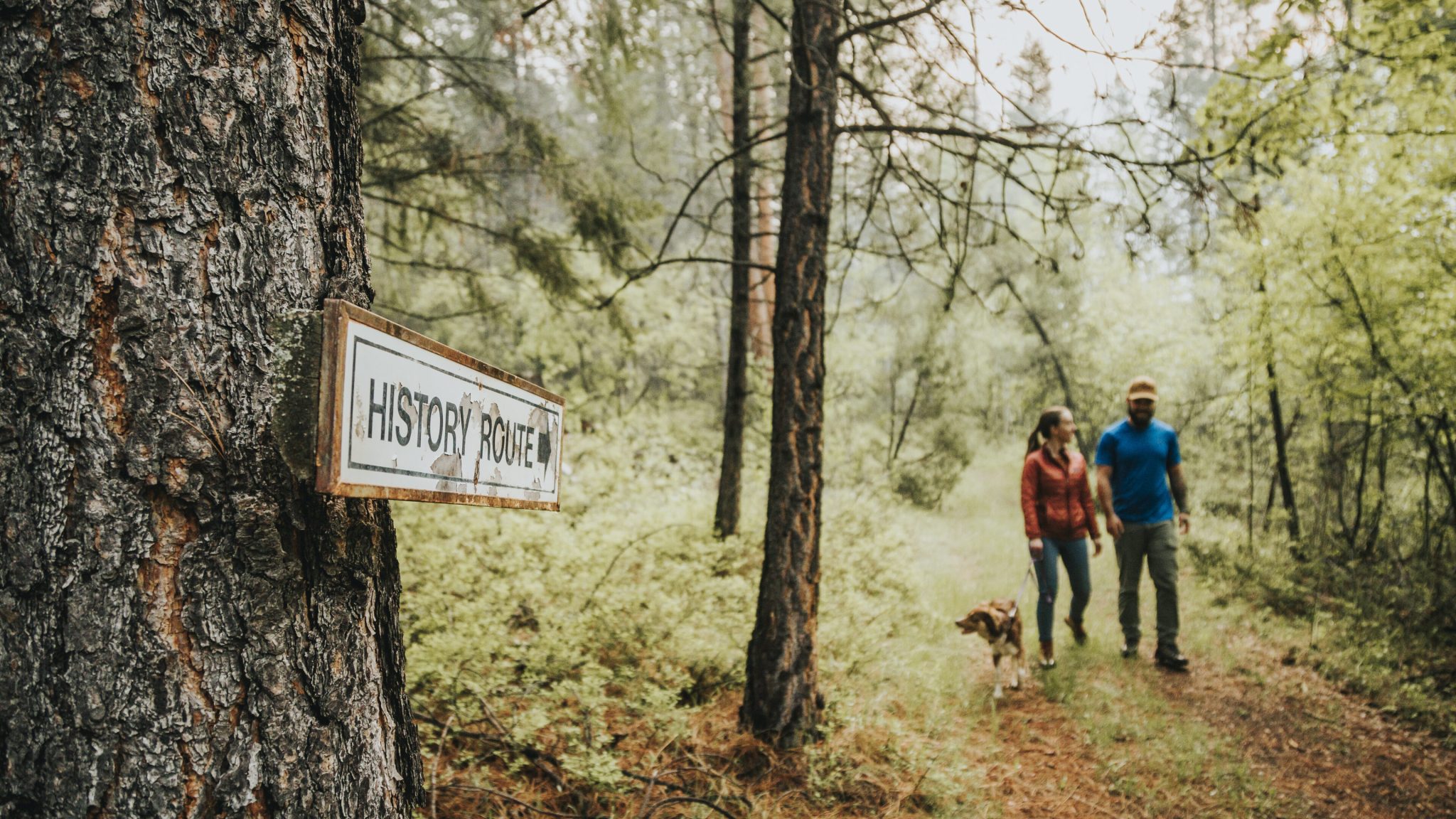
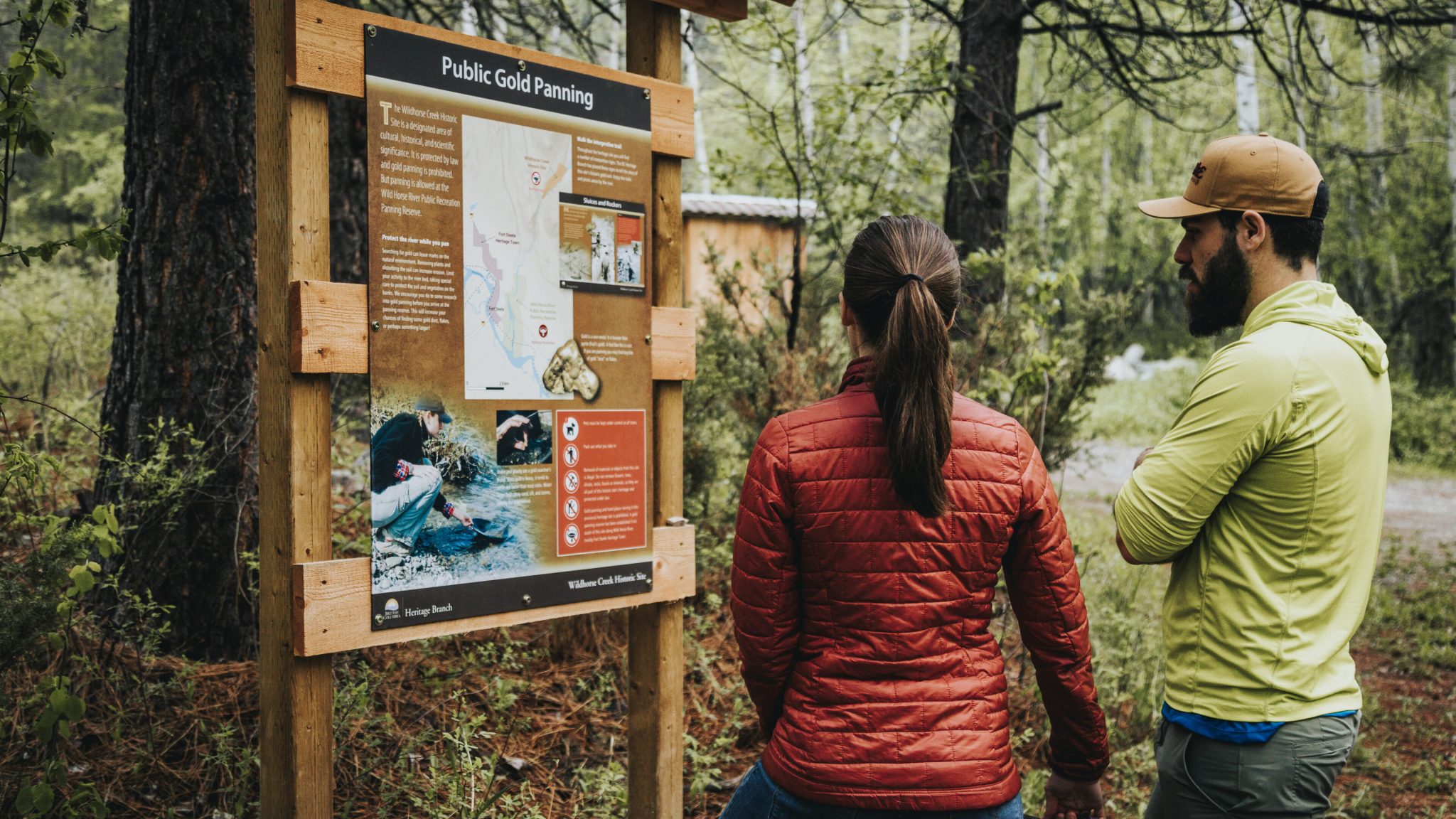
An interpretive trail connects key features and follows sections of the Dewdney Trail, the first all-Canadian route across southern British Columbia. Fisherville marked the eastern terminus of this route, completed in 1865 to reach the goldfields.
STORIES OF SETTLEMENT
Fisherville reflects both the surge of the initial gold rush and the quieter chapters that followed. After many miners moved on, Chinese miners reworked earlier claims, establishing a Chinatown within the townsite and leaving behind burial grounds that offer insight into cultural practices and beliefs.
These layers of settlement speak to labour, migration, and resilience, and remain an important part of the site’s meaning today.
LANDSCAPE AND SETTING
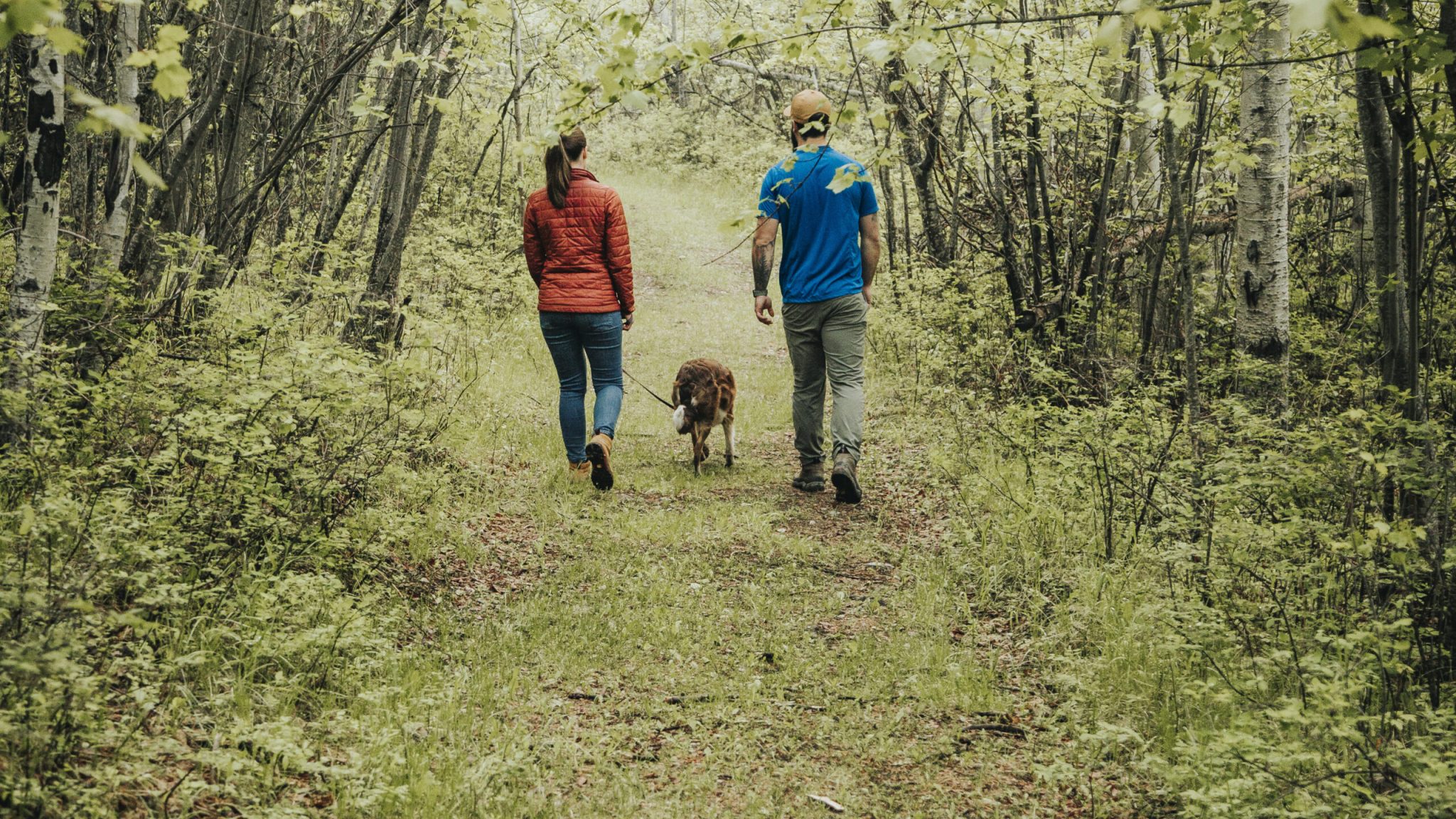
Set on a forested bench above the Wildhorse River, the site is surrounded by pine, fir, juniper, and open grass. Views across the river and along the valley give the area a strong sense of place, shaped as much by natural processes as by human activity.
Trails are well signed and designed for steady exploration rather than speed.
PROTECTION AND CONTINUITY
The Wildhorse Creek Historic Site has been formally protected as a provincial heritage site since 1996, following early advocacy by the East Kootenay Historical Society. Today, it continues to be interpreted and cared for as both a historic landscape and a place for quiet recreation, closely connected to nearby Fort Steele Heritage Town.